 By aslammudassar258@gmail.com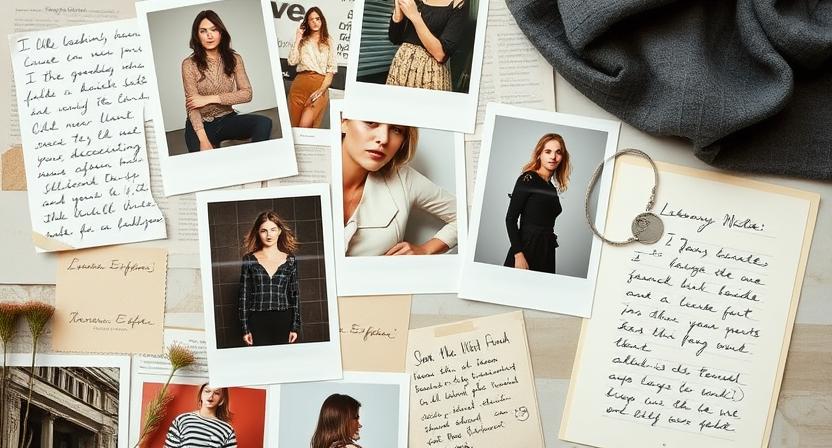
How to Use Grain for Fashion Magaszine Content That Stands Out
Visuals, narrative, and emotional resonance are the lifeblood of fashion journalism. Details are important when selecting images for mood boards, digital covers, or editorial layouts. The use of grain for fashion magazine layouts is one method that stylists, editors, and photographers are finding more and more appealing. It’s a subdued yet powerful decision to convey era, tone, and authenticity while enhancing visuals.Use Grain for Fashion Magaszine:
Your magazine might stand out if you know how grain functions and how to use it. This method can help you establish your artistic identity whether you’re creating a digital zine or a glossy print edition.
Why Fashion Editorials Need a Distinct Visual Style
Fashion publications are about more than just clothes. They are a reflection of creativity, art, culture, and revolt. Every picture has a function: to convey a theme, tone, or atmosphere. An idea is the starting point for editorial direction, which is then graphically accomplished. Grain and other stylistic techniques are useful in this situation.
In a world that is overly visual, magazines vie for readers’ attention. Although there are many high-definition cameras and filters, emotion is brought by raw texture. When used properly, grain aids in separating content from polished uniformity.
Use Grain for Fashion Magaszine Covers That Tell a Story
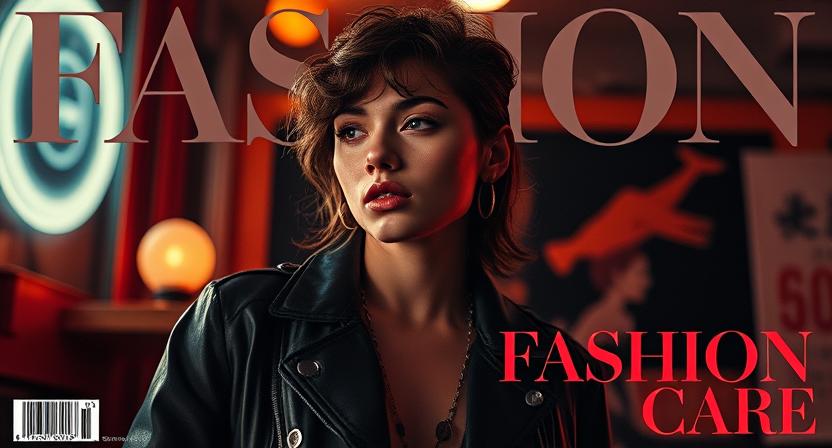
The first impression is defined by the cover image. Grain does more than just look like film when used for fashion magazine covers. It adds complexity and pulls viewers into a story. It could be an indication of calm minimalism, defiance, or nostalgia.
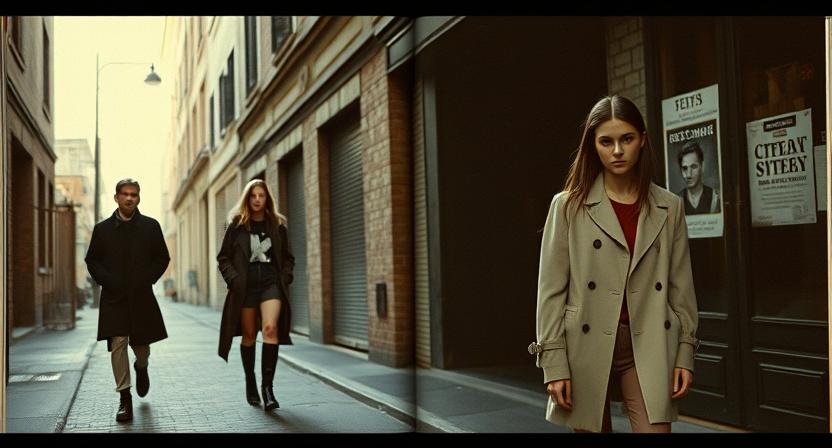
The aesthetics of movies have made a comeback. Grain is added by editorial teams to enhance the visual grit in order to achieve a timeless aesthetic. It offers depth and sharpness, which is particularly helpful for depicting stripped-down couture, urban fashion, or vintage collections.
What Is Grain and Why Does It Matter in Fashion Imagery?
The roughness that may be seen in pictures is called grain, and it frequently has a look similar to that of film photography. Grain gives artistic richness, while digital noise distorts. That aspect enhances lookbooks, runway photos, and portraits in the fashion industry.
Intentionally, grain imitates the narrative of a film. The image conjures up memories for the viewer, not just a commodity. When doing editorial shoots, that is crucial. You’re selling an emotion rather than just clothes.
How Fashion Brands Use Grain to Define Identity
Storytelling is a common strategy used by luxury brands. A visual language that is used on magazine pages, social media feeds, and retail spaces is produced by designers and marketing teams. Texture is one aspect of this language.
For instance, several high-end brands emphasize old themes with grain. Others might desire a raw, rebellious, or organic sense for their brand. Grain for fashion magazine design decisions can enhance the narrative when they are in line with the company voice.
Independent labels are also taking advantage of this. Grain is frequently used in zines that promote sustainable fashion to highlight raw production techniques and ethical sources. Its visual representation of reality and imperfection appeals to conscientious customers.
Editorial Shoots: Add Grain for Mood and Cohesion
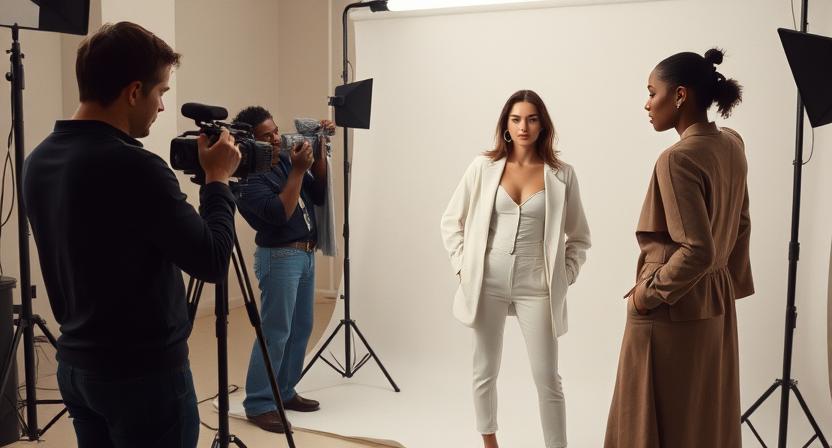
Concepts like minimalist, avant-garde, urban, or vintage are frequently the foundation of photo shoots. Teams are able to refine this vision through editing tools. Many stylists and art directors prefer to add grain after the fact.
For example, rough, strong textures work well for urban streetwear spreads. Sharp lines and stark white backdrops can occasionally come across as antiseptic. Grain adds mood and softens the image. The editorial theme and the brand’s tone are connected by that mood.
Softness is enhanced in bridal or pastel-themed photo shoots by light grain. Denim, leather, and utilitarian clothing all fit heavier grain. Consistency is crucial. Each post or page should have a consistent tone.
Retouching vs. Realism: Balancing Grain in Beauty Edits
In fashion publications, retouching is essential. For perfection, skin, cloth, and shadows are frequently balanced or smoothed. However, perfection can also seem artificial. Adding grain gives otherwise lifeless photos a new lease on life.
Editors, photographers, and makeup artists all strive for equilibrium. To keep things realistic, use just enough grain, but don’t hide details. This is particularly true for beauty editorials, where the artistry of makeup must be emphasized without overpowering the skin structure.
Grain becomes a narrative device in this situation. “This is beauty with soul,” it states.
Why Digital Zines Benefit from Film-Inspired Editing
While print is declining, independent fashion publications and digital zines are expanding. These magazines thrive on distinctiveness, identity, and visual coherence. Even though many don’t have a lot of money, they can make an impression with intentional editing methods.
Grain has a high impact at a minimal cost. Digital layouts become cinematic spreads when grain is added, transforming them from blog-level images. Use grain for fashion magazine designs, especially for new fashion creatives, to improve branding at a low cost.
Style Guides: When and Where to Apply Grain in Layouts
It’s critical to be consistent throughout a problem. When and how to apply grain across features must be specified by editors. A few general pointers:
Cover Pages: For drama, use medium to heavy grain.
Apply light grain to feature spreads to create a cohesive, creative look.
Product close-ups: Don’t utilize them too much. To maintain clarity, use very little grain.
Behind-the-Scenes/Backstage: More candid energy might be reflected by heavier grain.
Interview Portraits: Faces with subtle texture seem more genuine.
Make a guide for post-production. Make sure everyone on your team is aware of the aesthetic limitations. A well-defined grain level enhances reader experience and brand awareness.
Use Grain for Fashion Magaszine Aesthetics That Match Trends
Magazine styling is also influenced by trend cycles. One season tends toward nostalgic Americana or 90s street fashion, while another favors slick futurism. Grain is particularly effective in themes with an analog or retro feel.
Reports on current trends indicate a significant level of interest in:
Y2K nostalgia
Gothic fashion
Bohemian minimalism
Resurrection of grunge
Grain application is beneficial to all of these themes. Editors should take note of these changes in image texture as well, rather than merely adhering to fashion or cosmetic trends.
Building an Editorial Moodboard That Includes Grain Elements
Everything from photo processing to outfit selections is guided by moodboards. Include sample photos with varying degrees of grain. This enables early process alignment for the team.
Give instances of:
High fashion with light grain
For streetwear, mid-grain
Grainy for vintage
Planning using these images guarantees that editors and designers are aware of the desired tone. Additionally, it prevents misunderstandings during retouching.
Need more information? Also read these topics for more information
Beautiful Nails Prices: Your 2025 Fashion Trend Guide
Fashion Students and Creatives: How to Practice Grain Usage
It’s a good idea to learn this method if you’re developing a portfolio. Taste is reflected in grain. It demonstrates to editors your command of visual communication.
Use open-source editing software first. To check grain levels, use Lightroom, VSCO, or Snapseed. Use analog filters and natural lighting in your fashion shots. Create a portfolio that includes examples of grain utilization in both high-concept and informal design.
Future magazine writers should research well-known magazines as well. Examine the ways in which prominent magazines use texture to tell stories. Look past the attire and take note of the consistency and atmosphere.
Final Thoughts
Grain is more than just a style tip when it comes to fashion magazine pictures. It’s a declaration. It declares a dedication to visual expression and an editorial direction. Grain restores the sense of realism in fashion in a cluttered digital world where highly polished images predominate.
In editorial storytelling, the significance of texture is sometimes overlooked. Editors, photographers, and designers can produce fashion periodicals that are memorable in addition to looking fantastic by perfecting this aspect.