 By aslammudassar258@gmail.com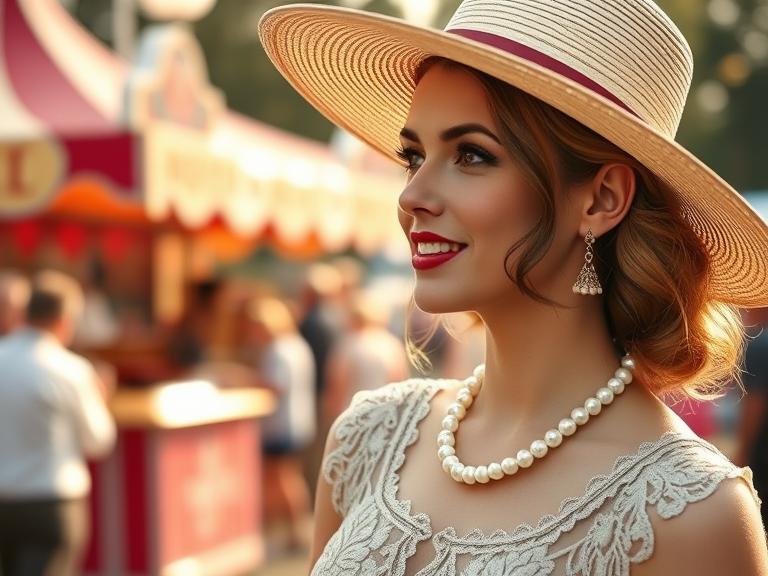
Fashion Inspirations from the Newberg Old Fashioned Festival
Introduction
The Newberg Old Fashion Festival is one of the best illustrations of how fashion and culture are inextricably linked. The festival is well-known for its sense of community, customs, and lively ambiance. It also gives fashion enthusiasts a chance to try out unusual ensembles. The event encourages attendees to wear apparel that showcases their comfort and creativity, whether it is through current interpretations of classic styles or vintage-inspired attire. In this article, we examine the festival’s continued appeal to fashionistas and how fashion plays a major part in the festivities.
1. Fashion and Tradition at the Festival
Tradition is reflected in fashion, and this is never more evident than at social gatherings. The festival allows participants to express their love of heritage through their attire, fusing historical charm with contemporary delight. Many tourists favor vintage designs that pay homage to the past while maintaining comfort. A tribute to past decades can be made by donning hats, suspenders, or gowns with retro cuts. The festival’s essence is strengthened by this link between fashion and heritage, which serves as a reminder to everyone that style is about conveying stories and respecting history rather than just following trends. This event’s attire combines inventiveness and nostalgia.
2. Vintage Outfits for Women
During the festival, women frequently choose for retro ensembles that honor classic style. While providing flexibility, flowing skirts, lace blouses, and flower designs embody traditional femininity. When accessorized with wide-brimmed hats, pearls, or brooches, these ensembles make a statement without feeling out of place. Cotton dresses with breathable materials are ideal for long days outside for people who value practicality. These fashions allow ladies to exhibit their personality while also paying homage to the vintage motif. Festival fashion turns into a means of combining comfort and style, turning every ensemble into a unique celebration of custom.
3. Classic Styles for Men
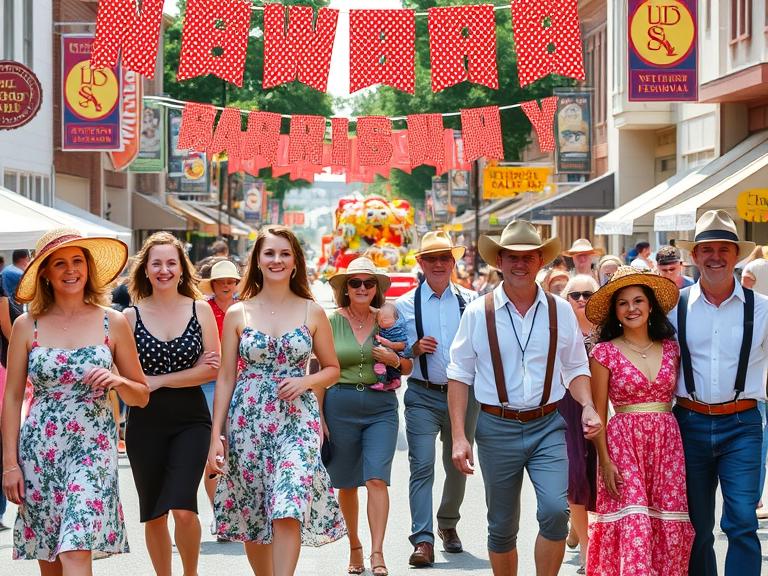
The festival’s menswear frequently features classic pieces. Suspenders look effortlessly traditional when worn with fitted pants, vests, or clean shirts. Hats like fedoras finish the ensemble, while bow ties or neckties add charm. These straightforward yet impactful ensembles serve as a reminder to everyone of the grace of bygone times. Comfort is also important, and many men choose breathable materials to cope with the summer heat. Boots and loafers are examples of shoes that give finishing touches. Men may celebrate the event in elegance while maintaining wearing and versatile ensembles thanks to this blend of tradition and functionality.
4. Accessories That Make a Statement
Accessories give basic ensembles a distinctive appearance. Hats are especially well-liked during the event since they provide sun protection and add to the retro aesthetic. Whether it’s handmade creations from local artists or vintage pieces handed down through the generations, jewelry also adds personality. Men frequently use pins or pocket watches, while women could opt for pearls or delicate earrings. Handbags, belts, and scarves also add subtle yet striking details. Attendees develop distinctive yet uncomplicated ensembles by carefully choosing their accessories. These last touches guarantee that festival attire feels authentic and complete, perfectly encapsulating the essence of the occasion.
5. Modern Twists on Old-Fashioned Fashion
Not every guest wants to dress exclusively in vintage attire. Many include contemporary components to strike a balance between comfort and style. Fresh looks can be achieved by pairing denim jackets with vintage dresses, sneakers with skirts, or modern sunglasses with vintage attire. This mix enables people to express their particular tastes while preserving authenticity. Everyone enjoys the event because of the contemporary twist, which makes fashion accessible to those who value functionality. Attendees demonstrate how dress changes while honoring heritage by fusing different eras. The event’s inclusive ethos is reflected in this inventiveness, which welcomes a variety of vintage fashion interpretations.
6. Family Fashion During Festivals
Families frequently plan their attire to add even more special touches to the celebration. Their ensembles are cohesive when they use complementary hues, related patterns, or accessories with a theme. Coordination between parents and kids draws attention and adds a unique touch to family portraits. Children’s clothing is made to be both comfortable and playful; it frequently has light materials, vibrant hues, and straightforward designs. Adult cohesion doesn’t always entail having the same appearance; harmony can be achieved with small accents like matching headgear or accessories. Family fashion gives the holiday a new dimension by emphasizing the joy of dressing up and displaying unity. It makes wearing clothes a common experience for everyone.
7. Festival Street Style
At the event, street fashion frequently becomes just as thrilling as the parades and acts. Attendees’ varied ensembles, which blend fashionable, casual, and vintage aspects, demonstrate their inventiveness. Some choose for bright designs paired with vintage skirts, while others pair jeans with floral shirts. From traditional boots to contemporary sneakers, footwear combines comfort and style. Seeing these ensembles is similar to seeing a public runway in which everyone takes part. Street style fits with the festival’s vintage vibe while capturing individuality. This fashion culture demonstrates how individual flair flourishes throughout communal festivities, bringing vitality and inspiration to the occasion.
8. Sustainable Fashion Choices
Even in local festivals, sustainability is now a significant component of fashion. To cut down on waste, many guests choose for locally produced apparel, recycled items, or thrifted clothing. For those who want to dress in accordance with the concept without purchasing new goods, vintage stores offer great possibilities. Craftspeople’s handcrafted accessories promote sustainable methods and help the community. These selections demonstrate that eco-friendly and fashionable clothes can coexist. Festival attendees demonstrate that customs may change in a responsible way by embracing sustainability. This pattern demonstrates how the Newberg Old Fashion Festival accepts values from the future while still paying tribute to the past.
9. Local Designers and Handmade Fashion
The festival frequently displays the inventiveness of regional craftspeople and designers. Unique clothing lines with vintage-inspired designs that have been updated for contemporary comfort are offered by small enterprises. Attendees looking for authenticity are drawn to locally handcrafted headgear, personalized jewelry, and handmade outfits. In addition to encouraging creativity, helping these creators builds community. Festival attendees can create unique appearances that aren’t available in stores by donning homemade or handcrafted items. Fashion plays a significant role in the celebration because of these creations, which showcase both individualism and communal pride. Future fashion trends are shaped by local talent, which also preserves traditions.
10. Fashion as Part of Festival Memories
Festival attire frequently contributes to memories that endure for years. Event photos document more than just the activities; they also showcase the fashion choices that contributed to the distinctiveness of each celebration. Examining these pictures from the past reveals changing dress trends that combine nostalgia with individual tales. Certain costumes are passed down in memory, much like traditions, and are often linked to joyful festival experiences for many families. The Newberg Old Fashion Festival demonstrates that fashion is more than just textiles; it is a component of celebration, identity, and storytelling. The festival’s memories are kept alive and ageless through clothes.
Conclusion
At the Newberg Old Fashioned Festival, fashion is about more than just dressing up; it’s about expressing oneself, honoring history, and making enduring memories. Every option showcases the community’s inventiveness, from retro attire to contemporary tweaks. The lively fashion culture that flourishes during the festival is influenced by local designers, sustainable solutions, family cooperation, and accessories. The festival demonstrates that fashion is much more than just style; it’s about self-expression, history, and connection. Every year, the fashion at this event inspires both attendees and participants by respecting the past while embracing the present.