 By aslammudassar258@gmail.com
Fashion and Christianity: Exploring Style, Values, and Expression
Introduction
From modest clothing in early church history to the diverse expressions seen today, the relationship between fashion and Christianity has changed over centuries, reflecting shifts in social norms, faith practices, and culture. This intersection shows how clothing can carry both cultural identity and spiritual meaning, and understanding this connection requires examining history, symbolism, and the harmony between moral principles and personal style.
Historical Overview of Faith-Inspired Clothing
Fashion in Christian communities has always been impacted by biblical teachings, ecclesiastical authority, and regional traditions. Early Christian attire frequently conveyed humility and modesty. Neutral hues, head coverings, and simple tunics were typical, signifying a concentration on spirituality rather than material show.
Religious orders created distinctive clothing, including gowns, veils, and habits, during the Middle Ages. These clothes served as more than just practical clothing; they were symbols of commitment. Outside of monasteries, the general public also adopted some church-inspired fashions for community events like weddings and festivals.
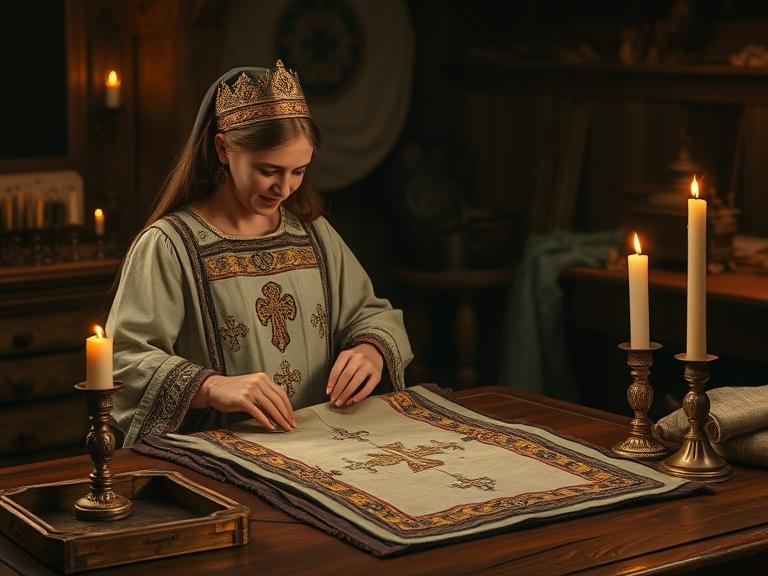
By the Renaissance, the church’s influence on fashion mingled with local craftsmanship. Rich textiles for clergy robes, ceremonial attire, and embroidered crosses demonstrated a synthesis of artistic craftsmanship and religious belief.
Modern Interpretations of Faith-Influenced Style
Christian-inspired fashion can take many different forms today. Even though certain communities still value formal church attire, more relaxed and modern looks are now common. Faith-based clothing brands provide modest yet fashionable clothing that incorporates subtle symbols, crosses, or scripture verses into daily ensembles.
This area has also grown as a result of globalization. Faith-based themes are frequently incorporated into mainstream fashion collections by local designers in nations with a strong Christian heritage, like Brazil, Italy, and the Philippines.
Balancing Modesty and Self-Expression
One of the most talked-about issues in Christian fashion circles is striking a balance between modesty and personal style. For many believers, modesty is more than just covering one’s body; it’s also about presenting oneself in a way that reflects one’s spiritual beliefs. Nevertheless, modesty does not have to mean sacrificing creativity, as designers have come up with creative ways to make clothing that adheres to religious rules while still embracing color, texture, and distinctive cuts, ushering in a new era where modest wear is both stylish and expressive.
Cultural Diversity in Christian Dress
Christianity crosses many cultural boundaries, and each one contributes its own fashion sense. In Africa, traditional attire such as the dashiki and vibrantly colored fabrics are worn during celebrations and religious ceremonies. Headscarves and embroidered blouses are still worn in rural churches throughout Eastern Europe.
These cultural differences show that Christian fashion is a collection of regional modifications rather than a unified, consistent style. It creates a colorful and varied wardrobe of apparel inspired by faith by fusing local artistry with common principles.
Symbolism in Faith-Inspired Garments
In Christian societies, clothing frequently has symbolic value. For instance, white clothing is worn during weddings and baptisms to represent purity. In church liturgies, purple vestments stand for preparation and penance throughout Lent.
Jewelry, scarves, and embroidered designs often incorporate symbols like the cross, dove, or fish. Both private and public reminders of faith are provided by these components.
Fashion and Christianity in the Digital Era
Social internet has changed how Christians interact with fashion and attire. Faith-based fashion bloggers and online influencers provide wardrobe ideas that embrace contemporary style while staying true to spiritual principles. Younger generations now have an easier time finding fashion advice that complements their values and way of life.
Christian apparel brands now have access to international markets thanks to digital platforms. E-commerce provides countless opportunities to combine faith and style, from mass-produced T-shirts with scripture prints to handcrafted artisan pieces.
Ethical Fashion Choices Among Christians
Sustainability and ethical sourcing are increasingly key themes within the Christian fashion sector. Many Christians view ethical clothing production as a component of stewardship, a biblical concept that promotes respect for the environment and equitable treatment of laborers.
As a result, there are now more Christian-owned ethical brands. In order to align their business values with their spiritual beliefs, these companies frequently place a high priority on organic fabrics, fair wages, and minimal environmental impact.

How Churches Influence Fashion Trends
Local fashion standards are frequently shaped by church activities. Certain fabrics, cuts, and accessories have become fashionable because religious festivals, weddings, and christenings encourage guests to dress to the nines. Sunday services continue to be a weekly event for people to dress elegantly and professionally in many places.
This impact is not limited to religious events. Fashion designers occasionally use church attire as inspiration, incorporating ceremonial fabrics, collars, and robes into contemporary catwalk designs.
Youth Perspectives on Faith and Clothing
By combining casual streetwear with subtle faith-based accessories, younger Christians offer a new take on faith-inspired fashion, demonstrating that spirituality and creativity can coexist while maintaining comfort and individuality while adhering to church expectations. This approach keeps faith relevant in fashion discussions.
The Global Business of Faith-Based Apparel
A growing sector of the worldwide clothing industry is the Christian fashion market. There is a consistent demand for clothes with a religious motif, from tiny enterprises selling handmade prayer shawls to luxury designers producing jewelry with cross themes.
Additionally, brands are connecting with consumers through narrative, revealing the scriptures that inspired their designs. The allure of faith-based fashion is increased by this intimate connection.
The Role of Education in Shaping Faith-Based Style
Guidelines for proper attire are occasionally included in Christian schools, theological colleges, and church-led youth programs. These regulations can influence how students and community members approach fashion in their daily lives; some institutions promote neatness and modesty, while others incorporate cultural elements into dress codes. Eventually, these educational influences can inspire people to see clothing as a spiritual and personal statement, influencing fashion choices well into adulthood.
Conclusion: Where Faith Meets Fabric
Clothing and faith have a complex, multi-layered, and ever-changing relationship. The history, ideals, and inventiveness that are interwoven into every aspect of fashion and Christianity are more significant than simply clothing. Whether through modest clothing, cultural adaptations, or ethical business practices, Christian design continues to inspire individuals to express their values through what they wear.
By understanding this connection, both designers and wearers can embrace styles that reflect faith without sacrificing beauty, comfort, or authenticity.