 By aslammudassar258@gmail.com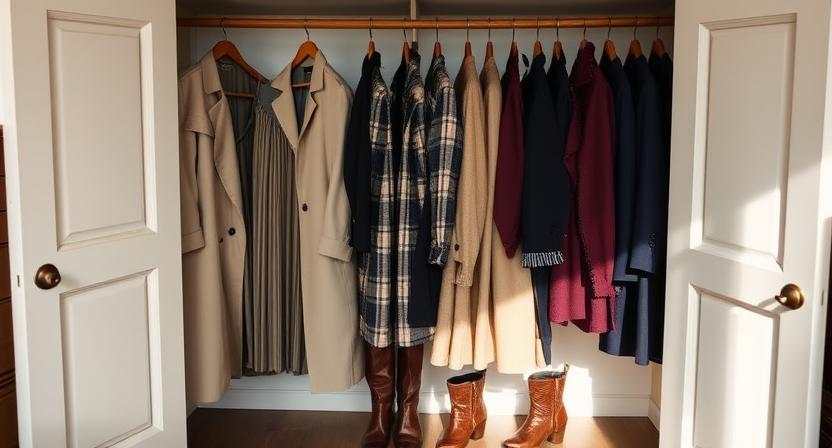
A Modern Look at the “Ye Ole Fashioned Menu” in Today’s Style Scene
Although fashion changes with our lifestyle and reflects our personalities, its origins are frequently found in ageless customs. Though it may sound archaic, the phrase “ye ole fashioned menu” is more relevant than ever in today’s fashion industry. This expression embodies a number of tried-and-true fashion selections that provide a reliable style guide. More fashion-conscious people are reverting back to the sophistication of timeless basic style ideas rather than following every new fad. Fit, fabric, and function—three cornerstones of classic style—are at the heart of these selections. This blog discusses why it matters, how the traditional menu of fashion classics shapes our current wardrobe, and how to create a stylish and purposeful personal wardrobe.
Classic Fashion Pieces Making a Comeback
People’s yearning for familiarity is growing as the fashion industry changes trends more quickly than ever before. Mainstream wardrobes are gradually reintroducing classic fashion items. These selections represent reliability and authenticity in addition to being purely aesthetic. Fitted knits, structured jackets, mid-length skirts, and wide-leg pants are all making a comeback in contemporary wardrobes. These items exude elegance without resorting to ostentatious branding or over-the-top embellishment. Rather, they prioritize functionality and simple lines. It doesn’t feel out of style to wear something like a fitted coat or high-waisted pants; rather, it feels intentional. Even the most avant-garde trends can be overshadowed by the assurance of classic design.
How Modern Designers Reference the Past
Designers in the world’s fashion capitals are incorporating history rather than merely drawing inspiration from it. Runway creations now frequently incorporate vintage silhouettes, patterns, and materials. Today’s fashion businesses are working with a strong sense of history rather than innovating in a vacuum. These vintage aspects are still popular, whether it’s the 90s minimalism currently popular in workplace wear or the Victorian lace found in contemporary evening dresses. The designers’ ability to honor the original meaning of these styles while adding a contemporary twist is what makes these collections so successful. With improvements in fabric, fit, and presentation, they are paying homage to the past rather than replicating it. Heritage can now satisfy modern demands thanks to this balancing.
Why Personal Style Thrives on Classic Influence
Personal style is based on steadiness rather than turmoil. Strong fashion sense leads people to form a consistent set of tastes that are frequently influenced by traditional fashion ideas. For these people, quality, fit, and classic silhouettes are more important than fleeting trends. Making better decisions when experimenting is made possible by a solid foundation. You have a firm foundation when you base your wardrobe on solid colors, fitted silhouettes, and neutral hues. It becomes more authentic and effective to layer current fashion statements over this foundation. This method keeps your personality front and center without coming out as excessive or trend-obsessed.
The Enduring Power of Well-Tailored Clothing
More than just measurements, tailoring is the art of purposeful clothing design. A well-tailored outfit gives you confidence, symmetry, and structure. Although comfort-focused cuts and baggy forms have been popular in modern design, tailoring is making a comeback as a sign of strength and sophistication. A shirt that perfectly fits your body creates a precise statement. Clean lines, form-fitting coats, and tailored suits highlight composure and stance. These clothes frequently function better in all seasons and last longer. The craftsmanship of apparel, which was essential to the “ye ole fashioned menu” concept, is also reflected in tailoring. This menu put quality and fit first, elevating style to the level of an art form rather than merely showcasing trends.
The “Ye Ole Fashioned Menu” Is Alive in Modern Styling
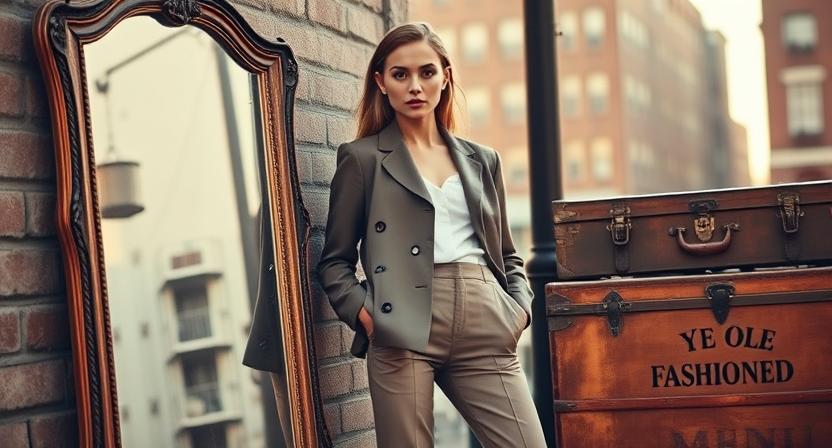
Even though we live in a time of rapid fashion and throwaway styles, the ideas underlying the “ye ole fashioned menu” still influence contemporary wardrobes. This idea embodies a deliberate, well-curated approach to fashion. It provides clarity in the form of well-made coats, adaptable shoes, and clothes with long-lasting worth in place of clutter. By fusing traditional essentials with contemporary components, stylists and fashion influencers of today are adopting this attitude. Any ensemble gains depth with a classic trench coat put over wide-legged pants or a silk scarf wrapped neatly around a blazer. This demonstrates that individuals still look to historical fashions for identification and inspiration in 2025.
Fashion Icons Who Embodied Timeless Elegance
Some notable personalities’ sense of style has shaped entire eras. These icons created visual language rather than becoming slaves of fashion. Audrey Hepburn made the little black dress famous with her subtle elegance. In a basic leather jacket and white t-shirt, James Dean reinvented masculinity. Princess Diana frequently used timeless pieces that were approachable to strike a balance between personal expression and royal decorum. People like David Beckham and Kate Middleton continue this tradition today by dressing in a way that combines tradition with uniqueness. Their appearances support the notion that timeless style is more important than current trends. Even now, their selections still evoke the essence of a “ye ole fashioned menu.”
Vintage Fashion and the Rise of Sustainable Shopping
Vintage fashion has evolved into a movement rather than a specialized hobby. More consumers are choosing vintage and second-hand goods as ecological awareness rises. These decisions are not only morally right, but also fashionable and significant. Wearing a vintage designer bag or a trench coat that is decades old tells a tale and supports the circular economy. Because consumers love the combination of quality, affordability, and nostalgia, the luxury and vintage clothes resale business is flourishing. This is exactly in line with the philosophy of the “old-fashioned menu,” where items were picked for their enduring value rather than their fleeting attraction. Being a vintage owner is about appreciating what already exists, not just about saving money.
How Street Style Celebrates Retro Looks
Street style is an expression of creativity that is unrestricted by business. People are confidently and stylishly combining motifs from several decades in major fashion-forward cities. You might spot someone wearing a dress with a nod to the 1950s and modern sneakers, or a floral blouse from the 1970s with jeans. This ability to blend several eras demonstrates how fashion changes without being disconnected from its roots. The current fashion scene honors history and contrast. Wearing something old and making it feel new is no longer a fear. This reimagining of classics demonstrates that, rather than disregarding fashion history, inspiration from it frequently fosters personal creativity.
Wardrobe Building with a Focus on Longevity
Making long-lasting wardrobes is becoming more and more popular. This entails choosing well-coordinating colors, investing in materials like leather, wool, and linen, and making fewer but wiser purchases. Planning and knowing what fits your lifestyle are key to longevity in fashion. You can create a wardrobe that works for many seasons and events by emphasizing fit and adaptability. The values of the “ye ole fashioned menu,” where clothes were seen as an asset rather than an ornament, are reflected in this long-term strategy. Clothing tells a narrative when it endures for years, and that tale becomes a part of who you are.
Need more information? Also read these topics for more information
Dubai Abaya Fashion Trends for Elegant Modern Women
Looking Forward by Looking Backward in Fashion
Fashion changes by taking lessons from its past, not by ignoring it. Traditional concepts are frequently supported rather than replaced by modern technology in fabric and design. Sustainable dyeing techniques, ethical sourcing, and digital tailoring enable the modern preservation of traditional fashion ideals. Knowing the history of fashion can help you shop more effectively, dress more simply, and express yourself more effectively, regardless of your preference for experimentation or simplicity. Adding components from previous decades offers your appearance depth and direction rather than making it seem antiquated. The lessons learned from the past are not only pertinent but also crucial as fashion becomes more individualized, carefully chosen, and conscientious.