 By aslammudassar258@gmail.com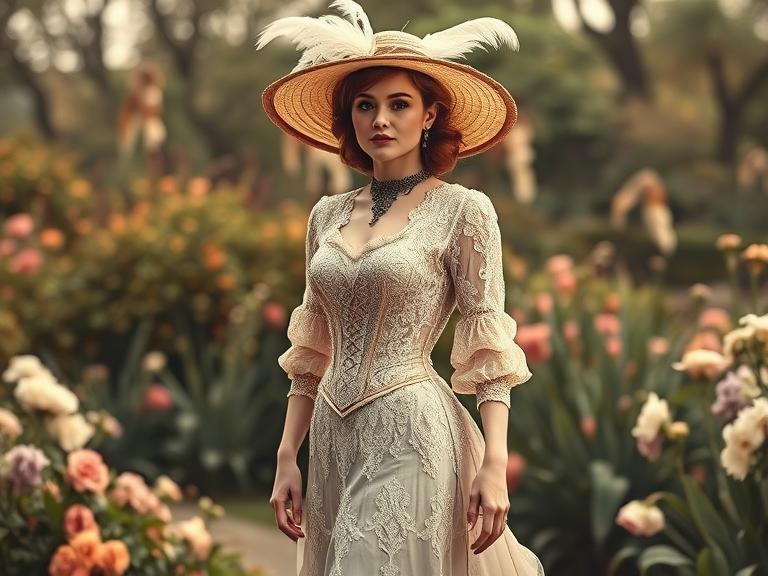
Edwardian Fashion Patterns: A Timeless Guide to Elegance
Introduction
Among the most enduring impacts are Edwardian dress designs, which emerged in the early 20th century and helped define modern wardrobes. They have renowned elegant silhouettes, elaborate lacework, and fitted designs, capturing a time when fashion mirrored societal transformation and artistic expression. Exploring this style now not only reveals a world of historical beauty but also inspires new interpretations for designers, vintage enthusiasts, and anybody interested about fashion history.
The Evolution of Edwardian Fashion
From 1901 to 1910, the Edwardian period was distinguished by its sophistication and inventiveness. Edwardian fashion placed more emphasis on softer lines, lighter fabrics, and increased mobility than the stiff Victorian styles that came before it. By forcing the hips back and the chest forward, the renowned “S-bend corset” defined the time period and produced a recognizable figure. Detailed embellishments like lace and embroidery were used on shirts, skirts, and dresses. Additionally, ready-made clothing increased throughout this time, making fashion more widely available.
Social Influence on Edwardian Style
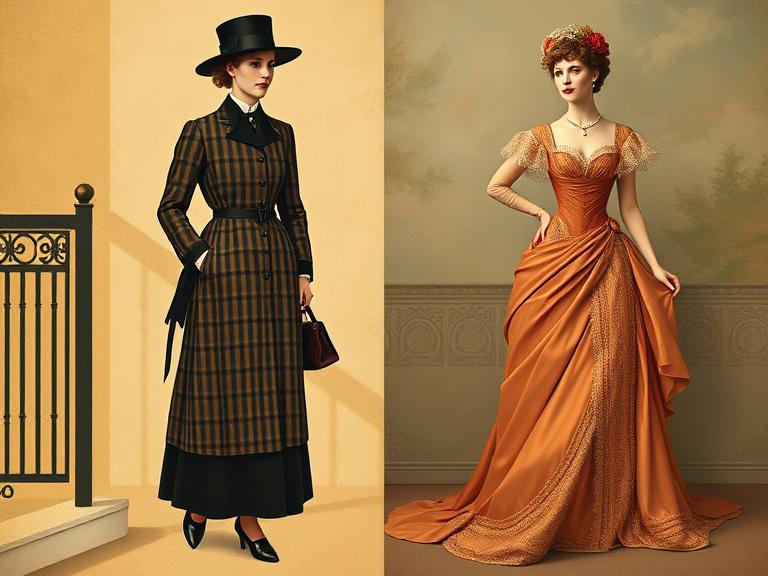
The evolving responsibilities of women throughout this time were reflected in fashion. Clothing changed to accommodate practical needs as more women joined the labor and engaged in outdoor activities. Tailored coats, walking skirts, and tea gowns became fashionable options. However, evening wear continued to be ornate, displaying affluence with opulent materials like velvet, satin, and silk. A major turning point in the history of fashion was the transition from merely ornamental clothes to more practical yet fashionable clothing.
Defining Features of Edwardian Wardrobes
There were distinguishing characteristics in the attire of the time. Walking suits included fitted jackets with functional skirts, skirts elongated toward the hem for elegant movement, and corsets produced an S-shaped posture. Gloves, parasols, and wide-brimmed hats completed the ensemble. The message of refinement and social standing was reinforced by jewelry, which frequently featured pearls and diamonds.
The Role of Fabric and Color in Style
Fabric selections highlighted femininity and elegance.They saved silk, satin, and velvet for the evenings, while cotton and linen dominated daytime attire. They produced texture with needlework and lace overlays.Evenings demanded jewel tones or black, whereas daytime colors were typically pastels. Fashion was able to convey status while being up to date with contemporary trends at the time thanks to the careful blending of fabric and color.
Edwardian Fashion Patterns in Modern Design
High collars and decorations are still popular in formal dress and bridal gowns. Sewing guidelines are frequently used by vintage aficionados to reproduce antique attire. Edwardian fashion designs serve as a link between contemporary apparel and historical artwork while retaining their classic appeal.
Everyday Wear Compared with Formal Attire
Evening gowns displayed grandeur with trains, lace, and ornamentation, while day dresses featured straightforward lines with cotton fabrics.Sportswear introduced shorter skirts and lighter materials for tennis, golf, and cycling. This division between evening grandeur and daily pragmatism characterized the social rhythm of Edwardian life.
The Significance of Millinery
The core of Edwardian identity was millinery. Oversized hats were embellished with ribbons, feathers, and fake flowers. Hatpins served as support as well as ornamentation. A hat was a social statement that represented refinement and prestige in addition to being an ornament. Without milliners’ artistic talent, women’s ensembles felt lacking.
Edwardian Fashion for Men
Men’s fashion changed in tandem with women’s. The three-piece suit became the norm, and morning coats, waistcoats, and pants shaped the gentleman’s wardrobe. Leisure activities influenced the popularity of sports jackets and blazers. Designers crafted clothing from materials like cotton, wool, and tweed to strike a balance between style and functionality. They finished the ensemble with polished shoes, silk ties, and pocket watches.
Technology and Industry in Clothing Production
Mass production of clothing was made possible by developments in textile manufacturing. Sewing machines made producing dresses at home more feasible, and ready-to-wear apparel decreased the need for tailoring. Printed instructions spread widely, allowing ladies to emulate the latest fashions. The way trends propagated was altered by the industry’s growth, which made sure that fashion reached a wider social audience.
Recreating Edwardian Looks Today
Contemporary designers and enthusiasts use reproduction sewing guidelines to bring the time period back to life. They can make historical-accurate dresses and skirts using Edwardian fashion patterns as a guide. Many incorporate vintage elements into contemporary apparel, such as high collars, lace, or embroidery. Designers particularly incorporate Edwardian design into bridal and evening wear, which successfully combines romanticism and functionality in timeless ways.
The Global Influence of Edwardian Fashion
Edwardian fashion did not limit itself to England. The silhouette and details of the time quickly disseminated throughout Europe and America. Colonial areas also adopted the style, combining it with regional textiles and customs. Edwardian fashion’s global reach paved the way for contemporary globalized trends by showcasing the expanding influence of global trade and media.
Why Edwardian Style Endures
The Edwardian period strikes a balance between wearability and elegance. Its accessories showcase artistry, its fabrics provide sophistication, and its silhouettes accentuate femininity. This versatility explains why this era continues to inspire fashion enthusiasts. Designers, historians, and collectors find Edwardian clothing to be a timeless source of beauty. We can still see its influence in evening wear, bridal gowns, and collections that nod to the past.
Conclusion
Edwardian style is timeless due to its refinement. The fashions, which range from fitted jackets and big hats to corsets and flowing skirts, mark a watershed in the history of fashion. Edwardian fashion designs enable contemporary audiences to appreciate the craftsmanship of the past with the aid of preserved sewing manuals. Edwardian design’s beauty defines classic elegance even as fashions change.