 By aslammudassar258@gmail.com
The Artistic Impact of Grain in Fashion Photography
Fashion Photography as a Form of Art
There is more to fashion photography than just showing off clothes. To leave a lasting impression, this discipline combines storytelling, style, and emotion. Grain has an impact that goes beyond high-definition clarity when editors and stylists utilize it for fashion magazine layouts. Grain gives the picture a homemade feel by adding depth and texture. Instead of merely glancing at the clothes, it encourages readers to stay and take in the visual ambiance, turning the page into an experience. A photograph can go from being technically flawless to emotionally impactful with this minor detail.
The Timeless Appeal of Film Grain
The history of film grain precedes that of digital photography. It originates from the chemical makeup of conventional film stock, where a distinctive texture was produced by crystals of silver halide. For many years, the fashion industry has valued this inherent flaw. Grain can suggest the free-spirited vibe of street style in the 1970s or the beauty of couture editorials from the 1960s. This style is used by many contemporary magazines to remind readers of the tactile beginnings of photography and to provide their spreads a feeling of history. The method encourages a closer bond, making the audience feel as though they are a part of an enduring visual collection.
Why Texture Matters in Fashion Imagery
In photography, texture refers to both the subject matter and the visual sensation of the image. Whether it’s the coarse weave of denim, the softness of cashmere, or the glossy shine of silk, grain improves the appearance of fabric textures. Grain lets materials breathe and interact with light more naturally by subtly reducing the hyper-clarity of digital photos. This, in turn, enables fashion spreads to portray the actual sensory aspects of clothing, allowing readers to visualize the fabric’s touch.
Creating Mood Through Grain Effects
In fashion photography, mood is crucial, and grain is a subtle yet important component in creating it. An image might have a dreamy, nostalgic softness if it has light, fine grain. A more urban, cinematic edge might be introduced with more grain. Grain size and quantity are frequently changed by photographers to fit the tone of the collection. They might combine warm tones with subtle texture for a lovely spring collection. They may use cooler contrasts and thicker texture for a daring, rebellious streetwear campaign. Grain is included into the visual language that underpins the clothing’s story.
Modern Tools for Adding Grain in Fashion Shoots
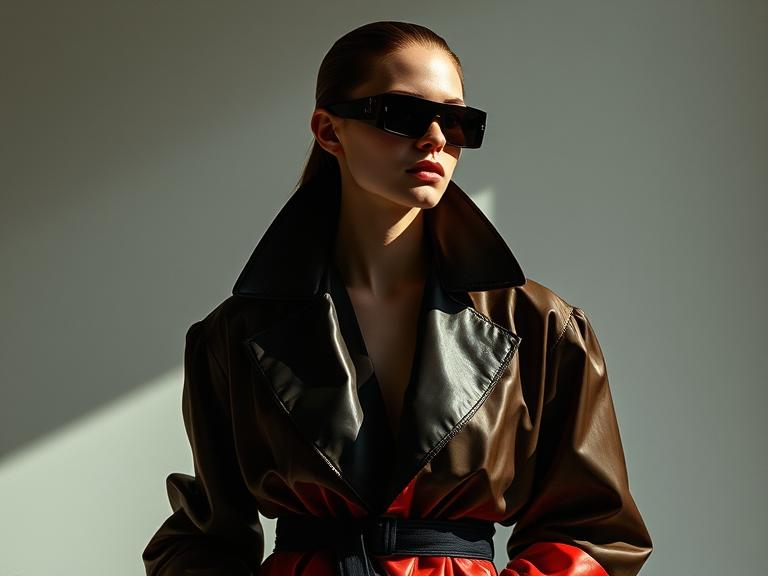
Photographers now have more creative options because to digital technology. Features for accurately simulating film grain are included in editing programs like Adobe Lightroom, Capture One, and Photoshop. With the use of these tools, artists can choose grain patterns that complement particular film stocks or produce completely original effects. They may precisely mix the grain with the rest of the composition by adjusting its size, strength, and even color response. Because of this adaptability, a photo shoot can be completed in high definition digital and then given the precise grain effect that goes well with the lighting, styling, and desired mood.
Editorial Storytelling Through Visual Imperfection
In fashion imagery, perfection can occasionally come out as chilly or unduly artificial. Grain gives the picture a human touch again. Small visual flaws convey genuineness, spontaneity, and movement. Readers frequently find images with minor grain to be more authentic and relatable. For this reason, even while the shot is expertly prepared, some high-end editorials intentionally use grain to create a visual space that gives the impression that the spectator is getting a spontaneous behind-the-scenes look.
Blending Vintage Influence with Modern Style
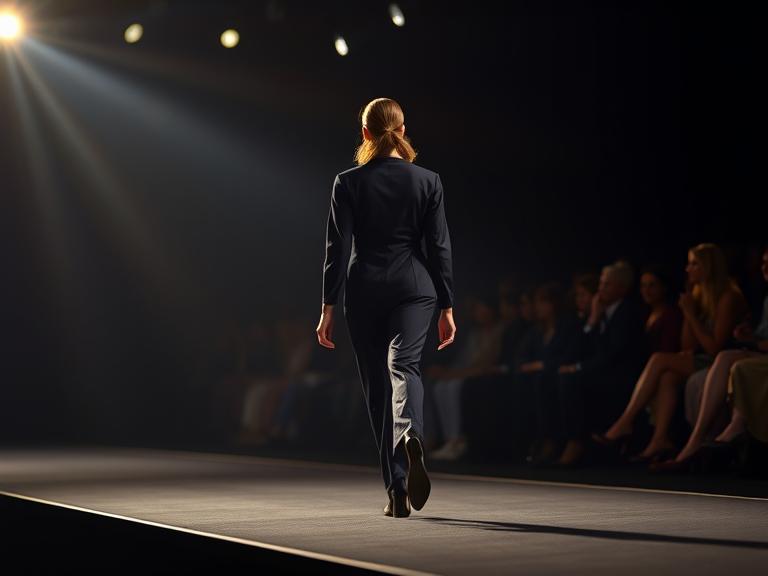
Grain serves as a link between the past and present, and fashion thrives on blending eras. The raw energy of 90s magazine spreads or the glitz of mid-century studio photos can be immediately evoked by a grainy image. This visual recall is used by stylists and designers to ground new collections in a rich aesthetic past. However, grain also blends in perfectly with contemporary layouts because it can be precisely manipulated in digital editing. This combination makes it possible for one editorial to incorporate both the modernity of contemporary trends and the weight of tradition.
Case Studies of Iconic Grain-Enhanced Shoots
Grain has been used to make an impression in numerous well-known fashion spreads over the years. For instance, coarse grain is frequently used to heighten mood in black-and-white editorials with androgynous models wearing nothing. Fine, soft grain is used in bohemian-themed photos to evoke the appearance of faded 70s film. For contrast, luxury streetwear spreads occasionally mix blurry lifestyle photos with sharp product photographs. These are intentional design choices that enhance the editorial’s emotional impact and cultural significance; they are not made by accident.
How Photographers Balance Sharpness and Grain
Grain application requires balance. Excessive amounts can mask crucial features in clothing, making it more difficult to read textures. If you use too little, the desired mood might not be achieved. Skilled photographers and editors frequently use grain to soften the background while sharpening important focal areas like people, accessories, and logos. In this manner, the viewer is able to appreciate the ambient aspect that grain offers while maintaining their focus on the fashion. To use this technique well, one needs both technical proficiency and a creative eye.
The Role of Grain in Digital vs. Film Photography
Even the greatest algorithms cannot replicate the distinct variations of grain that are naturally produced by film. Although it gives you greater flexibility, digital photography artificially produces grain. Every strategy has advantages. Digital media finds it difficult to replicate the subtle inconsistencies and organic feel of film grain. However, digital grain can be customized to meet the requirements of each image. A lot of fashion photographers experiment with both, occasionally employing digital for quick turnaround tasks and film for feature spreads. They can investigate the best aspects of both worlds thanks to this hybrid method.
Why Fashion Magazines Continue to Embrace Grain
Grain is still used by editors for fashion magazine spreads and covers, despite the popularity of ultra-clear digital photos. The explanation is straightforward: grain expresses emotion. Grain emotionally connects with the spectator, even though digital perfection might be stunning. It alludes to intimacy, craft, and heritage. An editorial with grain stands out in the crowded field of fashion media since it provides more than just a picture of clothes. It provides a feeling of artistry, a memory, and a mood.

The Future of Grain in Fashion Media
Grain use is not going to go away anytime soon. Grain will find new uses in print and digital fashion channels as aesthetic trends change. Future generations of photographers will combine classic texture with cutting-edge design by combining grain with sophisticated tools like AI-based editing. The end product will be pictures that respect tradition while pushing the envelope. Grain will continue to be an essential component of fashion’s visual lexicon, whether it is employed sparingly for a delicate ambiance or extensively for dramatic effect, guaranteeing that each frame exudes both style and soul.