 By aslammudassar258@gmail.com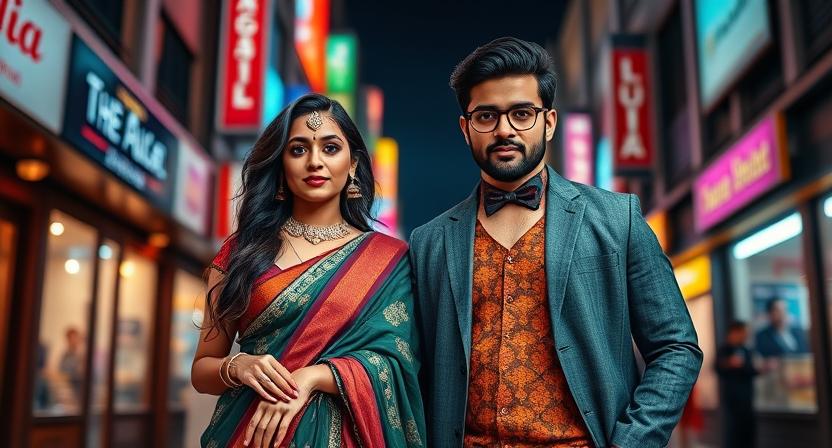
The Ultimate Expression of Identity Through Indian Fashion and Style
In India, fashion is a vibrant way to express one’s cultural and personal identity. It maintains its roots in centuries-old customs while reflecting the changing preferences of a varied populace. Platforms such as indianmatkamobi.com fashion and style offer consumers information into customs, trends, and personal style that appeal to a wide range of demographics in today’s digital world. Indian fashion is more colorful than ever, whether it is through ethnic attire, Western influence, or innovative fusion.
A Rich Heritage of Traditional Fashion
India has a long history of fashion dating back thousands of years. Every area displays its distinct fashions, which are shaped by regional traditions, climates, and cultures. The nation has an unmatched range of traditional clothing, from Tamil Nadu’s Kanjeevaram silk to Uttar Pradesh’s Banarasi sarees. These fashion choices are a reflection of deeply held beliefs as well as aesthetic preferences. Religious clothing, festive clothing, and wedding gowns frequently feature elaborate patterns that stand for wealth, tradition, and dedication.
Modern Indian Fashion and Urban Trends
Cities like Bangalore, Delhi, and Mumbai have developed into hubs for changing fashion. New textiles, cuts, and color palettes are being tried by young professionals, students, and artists. Comfort and innovation are combined in today’s Indian high-street fashion. In cities, everyday fashion is dominated by pastel colors, cropped jackets, and loose-fitting pants. These trends are widely disseminated by social media, which inspires people to experiment with new pairings that suit their own styles. Workwear has changed as well; it now includes simple, practical patterns that are appropriate for extended use without sacrificing style.
Street Style and Youth Culture
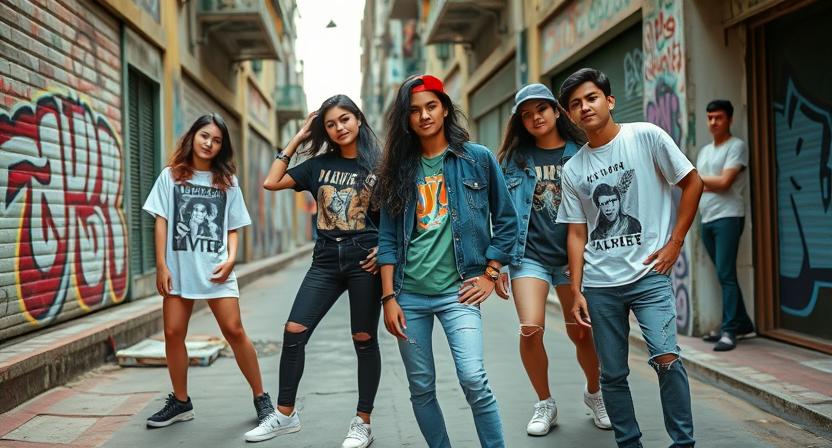
Among Indian youngsters, street fashion is becoming more and more popular. This approach prioritizes originality, genuineness, and self-assurance. It frequently entails mixing vintage clothing with contemporary accents to create an expressive yet reasonably priced style. Street fashion is seen by artists, students, and influencers as a means of subverting traditional fashion norms. The style is relaxed yet well-chosen. High-top sneakers, printed hoodies, and oversized shirts are typical components. Additionally, 90s fashion is making a comeback, with vintage denim and striking designs taking center stage once more.
Digital Influence on Fashion Choices
The way Indians view fashion has been completely transformed by the internet. Fashion blogs, style apps, and internet retailers influence consumers’ purchasing and styling choices. In addition to shopping, people also use digital platforms to learn how to dress for various body shapes, skin tones, and occasions. Influencers encourage viewers to be more creative with their style by sharing daily clothing ideas. For people looking to strike a balance between tradition and modernity, websites such as indianmatkamobi.com fashion and style are invaluable resources. Without losing sight of their origins, they enable users to investigate changing trends.
Ye Ole Fashioned Menu: Timeless Style That Still Inspires
Beautiful Nails Prices: Your 2025 Fashion Trend Guide
Regional Fashion Diversity Across India
The diversity of Indian fashion is what makes it so beautiful. There are unique dress codes in every state and frequently in every community. Vibrant salwar suits and bright phulkaris are common attire in Punjab. During festivals, Gujarati women dress in chaniya cholis decorated with mirrors. While the northeast displays handmade fabrics with tribal designs, Kerala is renowned for its exquisite white and gold kasavu sarees. Here, clothing is made with care and purpose rather than being mass-produced. The broader story of Indian style gains depth from this regional identity. Additionally, it promotes designers to take inspiration from traditional crafts and techniques.
Influence of Bollywood and Pop Culture
Cinema continues to be a dominant force in shaping Indian fashion. When a movie becomes a hit, the outfits worn by actors quickly become trends. Sarees worn in romantic scenes or sherwanis in wedding scenes start appearing in stores across the country. Music videos also influence style. Artists like Ranveer Singh and Deepika Padukone often introduce bold, unconventional styles that the public embraces. The use of bold colors, unconventional cuts, and layered styling has become more popular due to these cultural icons. The audience is more willing to experiment because they see celebrities doing the same on screen.
Designer Labels and Luxury Fashion
The fashion economy in India has been revolutionized by designer labels. Because they combine Indian processes with global silhouettes, homegrown brands are becoming more and more well-known worldwide. Designers such as Manish Malhotra, Anita Dongre, and Sabyasachi have produced collections that are popular with both local and foreign consumers. These brands produce luxury goods using traditional embroidery, sustainable practices, and handwoven textiles. The Indian client is changing at the same time. High-end occasion attire, limited-edition collections, and custom services are in more demand. For many people, fashion is now a luxury experience rather than merely something useful.
Fusion Fashion and Cultural Blend
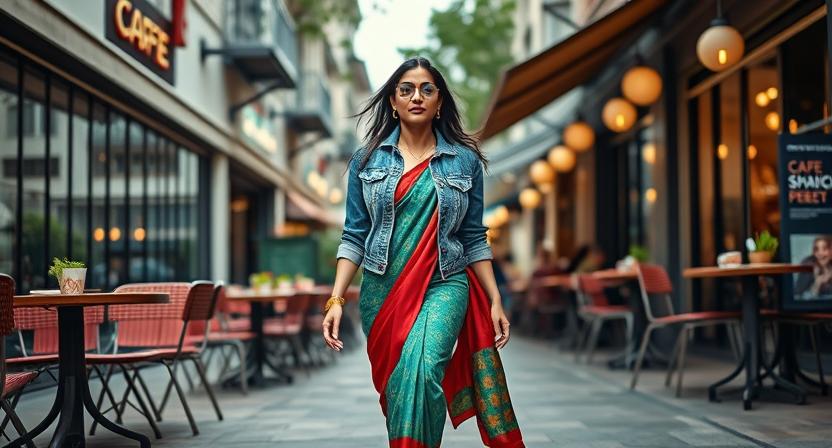
Because it promotes unrestricted creativity, fusion fashion has grown in favor. It creates something completely new by fusing aspects of Western and Indian styles. One may pair a lehenga with a denim jacket or drape a saree over a crop top. This combination is well-liked in casual get-togethers, office parties, and social events. It speaks to a generation that is hungry to develop while still being proud of its heritage. Websites such as indianmatkamobi.com fashion and style showcase these distinctive pairings and provide visitors with useful suggestions for imaginative attire.
Sustainable and Ethical Fashion Choices
Sustainable fashion is becoming increasingly popular in India as people become more conscious of the effects on the environment. Local markets are seeing an increase in the use of plant-based dyes, repurposed textiles, and organic cotton. Small brands emphasize conscious manufacturing and slow fashion. Customers are inquiring about the origins and manufacturing processes of their clothing. Activism is increasingly being expressed via fashion. Selecting ethical, locally produced goods is a statement about duty and principles in addition to being a fashion choice. This change in perspective is a long-term one rather than merely a passing fad.
Future of Fashion in the Digital Age
Fashion is evolving beyond red carpets and runways. These days, it exists in virtual showrooms, online communities, and applications. Users use virtual try-ons and artificial intelligence to personalize their clothes. Customers can now preview how an outfit looks before purchasing it thanks to augmented reality. Long before they are available in stores, trends are created on websites like Instagram and Pinterest. Fashion that is digitally first has become the new standard. This expanding ecosystem includes websites that facilitate real-time engagement with fashion, such as indianmatkamobi.com fashion and style.
Need more information? Also read these topics for more information
Avant-Garde and Fashion-Forward Pieces to Elevate Style
Conclusion:
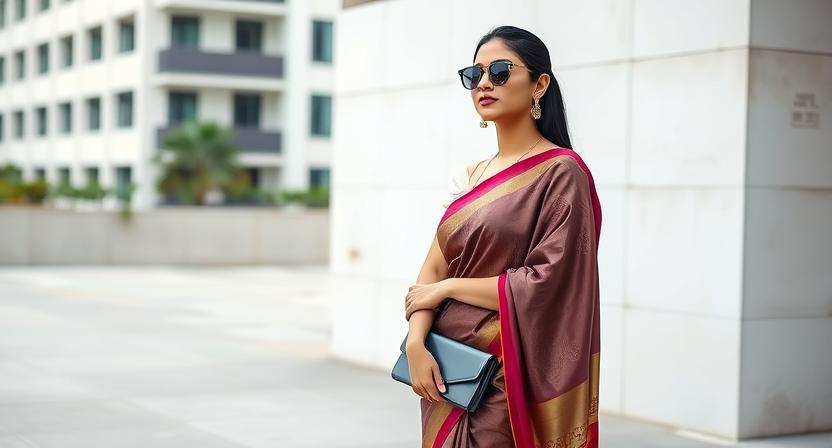
Clothing has never been the only aspect of Indian fashion. It is an expression of who we are and how we relate to the world. The Indian fashion scene is varied, inclusive, and changing, ranging from traditional attire handed down through the centuries to contemporary styles influenced by international trends. The way that people express themselves through style is still shaped by digital platforms and cultural factors. Users will have more chances to express their individuality, inventiveness, and identity through their wardrobe choices as the fashion industry expands.