 By aslammudassar258@gmail.com
Understanding the Roots of Fashion in Religious Expression
Clothes have always had more significance than just being aesthetically pleasing. It has served as a symbol for customs, cultures, and beliefs. Fashion is a symbol of identity, modesty, and spirituality in many communities. The connection between fashion and Christianity is one area where this relationship is strongly ingrained yet rarely examined.
Historical Overview of Christian-Inspired Fashion
Since its inception, Christianity has had an impact on fashion. Clothes, from clerical attire to biblical robes, had meaning and symbolism. Early Christians dressed simply to demonstrate their spiritual concentration and humility. Fashion changed to fit the framework of Christianity as it spread. Religious leaders donned mitres, embroidered stoles, and ornate gowns that reflected their spiritual themes and ecclesiastical standing.
These clothes weren’t merely customary. They were declarations of devotion, authority, and morality.
Modesty and Expression in Christian Dress Codes
Modesty has long been a fundamental component of Christian dress. The idea of modest clothing is prevalent in many different denominations, particularly in the Orthodox, Catholic, and Evangelical communities. A person’s morals and religious affiliation have been reflected in their neckline height, sleeve coverage, and skirt length.
But plain doesn’t necessarily equate to modesty. Both individuals and designers have managed to strike a balance between acceptable fashion choices and personal expression.
How Modern Designers Incorporate Christian Elements
Christian themes and mainstream names have been working together more and more in the fashion business. Faith has become a silent muse in many seasonal lines, from jewelry with cross patterns to collections based on biblical tales.
Saints, cathedral-like prints, and religious imagery have all been included into the designs of designers such as Dolce & Gabbana. Their creations demonstrate how faith can inspire creativity in design and beauty by fusing luxury with spiritual overtones.
Fashion and Christianity in Contemporary Culture
Christianity and fashion have a more obvious intersection in the modern world. Faith-based fashion gurus have emerged on social media, sharing everyday ensembles that reflect their religious convictions. They demonstrate how one can uphold spiritual principles while yet being fashionable and up to date.
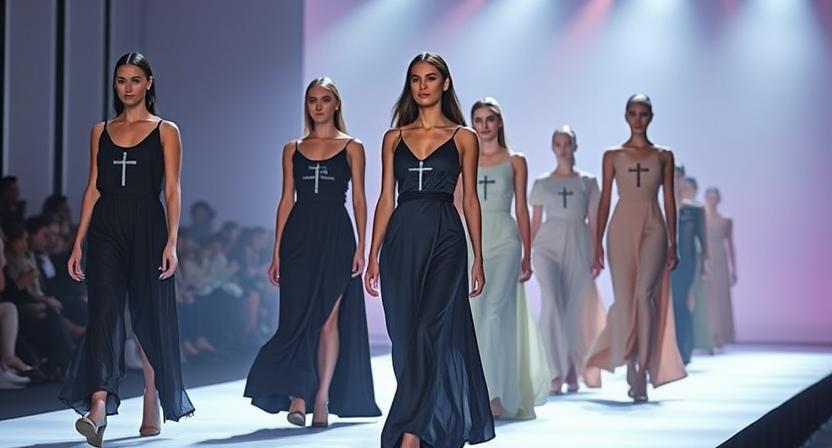
Churches frequently hold fashion events to honor creativity, culture, and modesty. These occasions demonstrate the dynamic interplay between ideology and design by demonstrating how apparel can be both sacred and contemporary.
Christian Fashion Brands Leading the Way
There are now a number of companies that target Christian consumers exclusively. These brands specialize in clothing that embodies morals without sacrificing flair. Scripture passages, subliminal Christian symbols, and ethical sourcing are all important components of their goal.
Elly & Grace and God the Father are two examples of how faith-based fashion has grown in popularity and accessibility. Their collections encourage a lifestyle that is consistent with belief systems and support good messaging.
Breaking Stereotypes: Faith Doesn’t Mean Boring Fashion
There is a widespread misconception that religious clothing is uninspired. Christian fashion, however, keeps refuting that notion. Believers are embracing trendy styles that nevertheless express their religion through sophisticated layering, well-tailored patterns, and vibrant color schemes.
For example, contemporary Christian women are embracing bold accessories, high-neck tops, and midi dresses that celebrate style and fit with modesty. Men are also spending money on morally and religiously sound clothing that combines fashion and dedication.
Influencers Promoting Christian Fashion with Style
Faith-aligned fashion has been greatly aided by social media. Communities centered around maintaining religious principles while looking amazing have been established by influencers such as @TheModestMom and @ChristianGirlInStyle.
They demonstrate how Christian fashion is about choice rather than limitations. Their followers are inspired to dress in a style that expresses their confidence and beliefs.
Events and Communities Supporting Fashion and Faith
Christian-themed conferences, pop-ups, and fashion displays are becoming more and more common. These gatherings provide designers and guests with forums to discuss identity, values, and creativity.
Thoughtful, humble, yet fashionable ensembles were made possible by initiatives such as Christian Fashion Week. The connection between spirituality and fashion is strengthened by the community element.
Ethical Fashion: A Shared Principle Between Faith and Industry
The ethical component is yet another important link between fashion and Christianity. Many Christian shoppers give preference to companies that share their moral principles. This covers sustainability, fair work, and openness.
Choosing what to wear turns into an extension of one’s religious lifestyle rather than just a passing fad. Endorsing ethical fashion is a compassionate and stewardly deed that aligns well with biblical principles.
Challenges in Merging Faith with Modern Fashion Trends
There are still issues in spite of the advancements. The fashion industry tends to focus on secular topics or exposing designs. When browsing stores or trends, this can cause tension for Christian customers.
Striking the correct balance takes deliberate work. Many stay up to date without sacrificing their morals thanks to organized shopping lists, layering strategies, and custom tailoring.
The Ongoing Dialogue Around Fashion and Christianity
The discussion of Christianity and fashion changes along with culture. While fashion platforms provide more room for religious viewpoints, churches are more receptive to a wider range of fashion representations. This reciprocal development promotes authenticity and inclusivity.
The conversation is about identity, innovation, and integrity rather than just clothes.
Educating the Next Generation of Christian Designers
Young Christian artists are starting their own labels and enrolling in design programs. They offer a distinct vision that combines cultural sensitivity, workmanship, and faith. Values, ethics, and spirituality are starting to be discussed in fashion schools as part of design thinking.
With their inventiveness and significance, these up-and-coming designers will influence Christian fashion in the future.
Global Variations in Christian-Inspired Fashion
Cultures have varied ideas on what Christianity and fashion look like. Christian iconography coexists with colorful textiles and indigenous designs in African countries. Orthodox influences shape head coverings and long gowns in Eastern Europe. Although more relaxed, the style is still value-driven in the US.
These regional variations enrich and deepen the discussion as a whole. They show that local style and faith can coexist.
Fashion and Christianity as a Lifestyle Statement
The Christian and fashion philosophies permeate everyday life and go beyond apparel. The message behind a person’s outfit, the companies they support, and their shopping habits all convey a tale.
Many Christians use their clothing as a silent yet effective means of expressing their compassion, conviction, and character.
Fashion Education and Church: Bridging the Gap
These days, some churches include lectures and workshops on faith, image, and fashion. These programs emphasize self-worth, modesty, and body positivity. They want people to believe that they are beautiful and to dress in a way that reflects that belief.
This all-encompassing method gives both physical and spiritual appearance more significance.
Need more information? Also read these topics for more information
5th Avenue Fashionista Style Guide for Modern Elegance

Conclusion: The Future of Fashion and Christianity
The relationship between Christianity and fashion is no longer a specialty. It is vibrant, expanding, and full of meaning. This relationship between historical clothing and modern trends highlights a deeper urge to match outward appearance with internal beliefs.
Designers, customers, and communities are still investigating this relationship, demonstrating that fashion and faith are parallel rather than distinct pathways.
Also Read our Blog for Edwardian Fashion Patterns